Trusted practitioners since 2013

Cupping

Biggar, South Lanarkshire, Peebles & West Lothian

A 5,000-year-old treatment trusted by athletes worldwide — and one of the most effective tools in our clinic for pain that just won’t shift.

What Is Cupping Therapy?

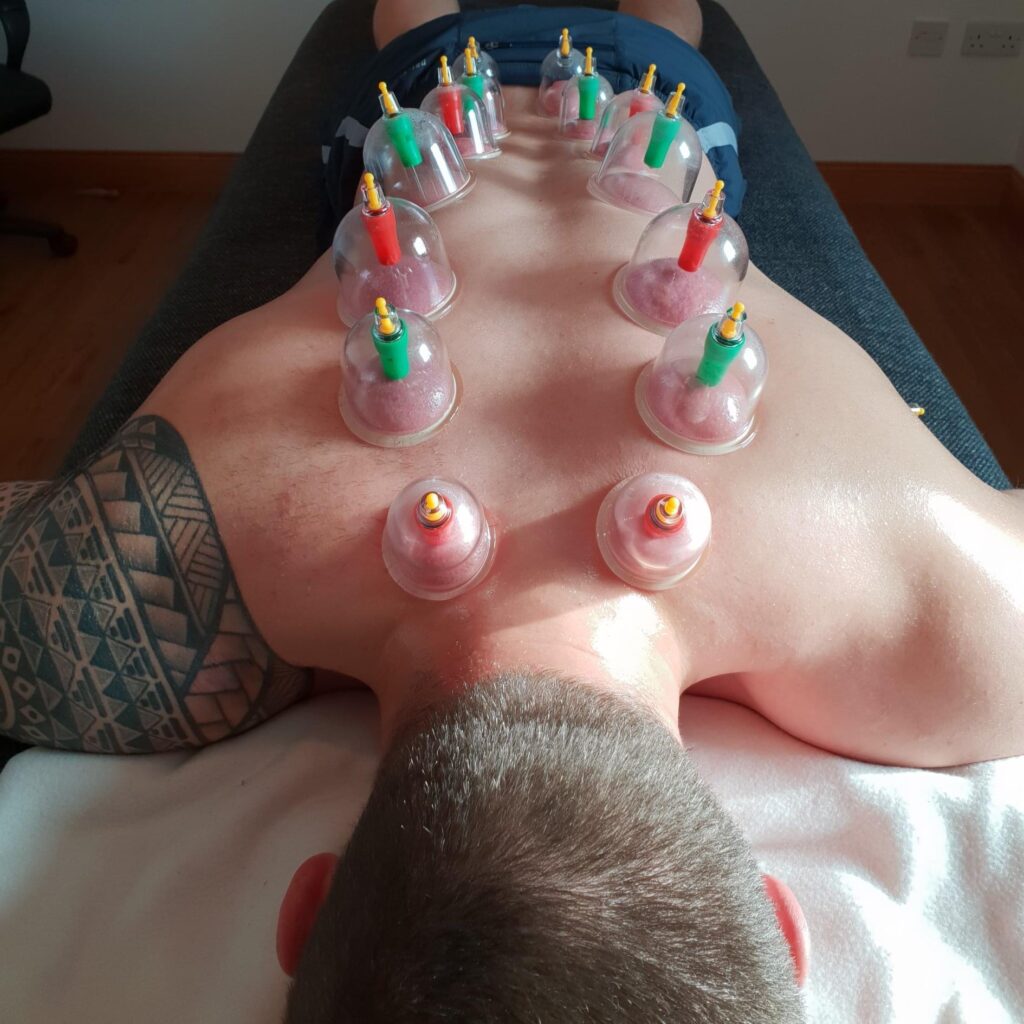
Cupping works by creating suction on the skin using plastic cups. That suction lifts the skin, the connective tissue underneath it, and the muscle — pulling blood into the area to stimulate healing. Think of it as the opposite of a massage. Massage pushes down into the tissue. Cupping lifts.

That lifting effect does things that pressing down can’t:

  • It increases blood flow to areas that have become congested or sluggish
  • It stretches tight connective tissue (fascia) from underneath rather than compressing it from above
  • It triggers the body’s own anti-inflammatory response
  • It reaches layers of tissue that hands and elbows can’t get to directly

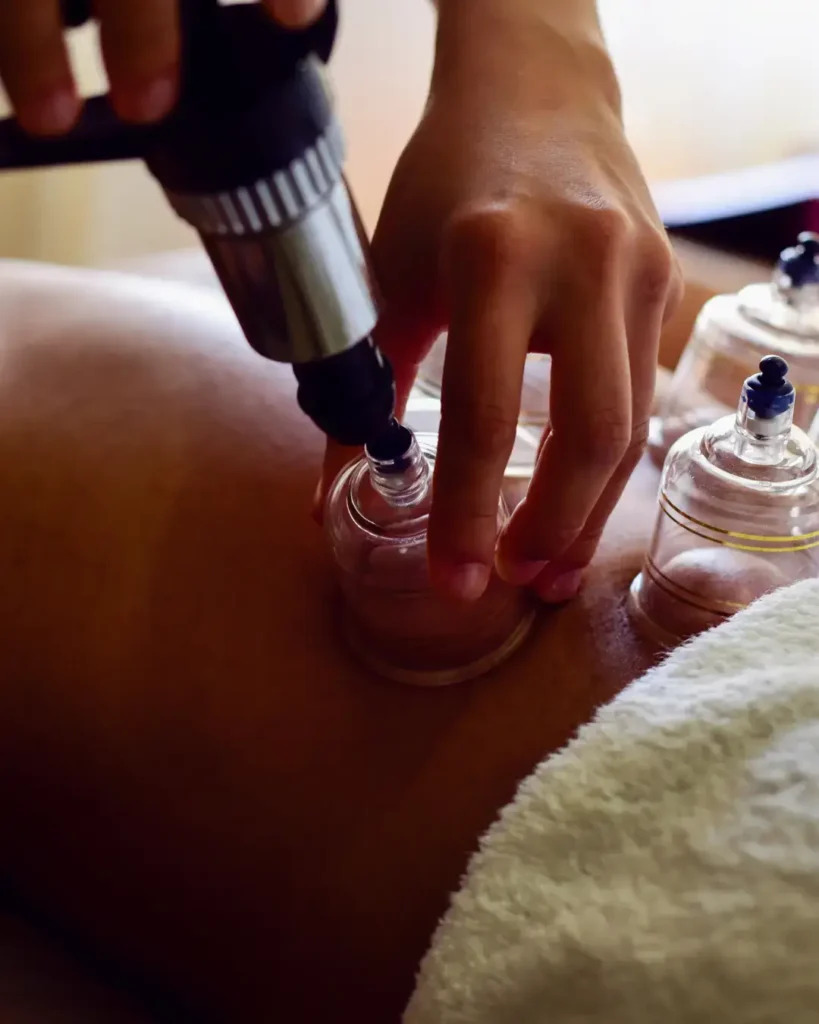
I use plastic cups with a pump, not glass cups with a flame. If you’ve seen the fire version on social media, that’s not what we do here. Plastic cups let me work precisely, including around joints and areas with hair where glass cups won’t sit. They’re also less likely to end up on the floor. You can read more in this blog post here. 

How I Use Cupping 

Cupping isn’t usually the first thing I reach for.


When you come in for a session, I’ll typically start with Kinetic Chain Release (KCR) to address the whole body and bring it back into balance. From there I use Connective Tissue Release (CTR) and work the Marma points before deciding whether cupping is the right next step.


That sequencing matters. Cupping works best when the body has already been brought into better alignment — then it can do targeted, precise work on the areas still holding on. It’s often the thing that tips the balance when a muscle or joint just isn’t letting go after everything else.


Some clients come specifically for cupping and swear by it. A few come for cupping alone. Most of the time it’s part of a wider session, which is when I find it gives the best results.

cupping

What Cupping Helps With

I use cupping regularly for:

  • Back pain and tension
  • Shoulder impingement
  • Hip and glute tightness
  • Sports injuries and overuse
  • Stubborn injuries that aren’t releasing fully
  • Calf tightness and running-related pain
  • Fascia restriction that feels stuck across a wide area

If something has been bothering you for a while and isn’t responding to other treatment, cupping is often what unlocks it. It increases blood flow, releases congested tissue, and helps the body start recovering in ways it couldn’t before.

Who Uses Cupping?

If you watch sport you’ve probably spotted the circular marks on athletes and wondered what they are. Michael Phelps had them at the Olympics. Andy Murray, Cristiano Ronaldo and The Rock all use cupping for pain relief, faster recovery and performance.


Gwyneth Paltrow, Jennifer Aniston and Kaley Cuoco use it for wellbeing and stress relief.


They wouldn’t keep coming back if it didn’t work.

cupping therapy, treatment for pain

What the Marks Mean?

The circular marks are the thing most people ask about before booking. Here’s what you need to know.

They’re not bruises. A bruise happens when tissue is damaged by impact — blood vessels break under pressure. Cupping does the complete opposite. The suction pulls blood up towards the surface rather than damaging it. What you’re seeing is called a histamine response — the body’s own healing reaction to increased blood flow in the area.

The colour tells you something about what was going on there. You might barely have a mark in one spot and a deep purple circle somewhere else. That’s not random — it reflects where there was more congestion, stagnation or tension. The marks usually fade within 3 to 5 days, occasionally up to three weeks if the issue is significant. They’re not sore to touch.

Worth bearing in mind if you’ve got a wedding, holiday or event coming up where you’d rather not have visible marks on your back or shoulders. Just let me know and we can plan around it.

What to Expect in a Session

If you’ve never had cupping before, here’s what actually happens.


You’ll lie comfortably on the treatment table. I apply the plastic cups to the skin using a pump to create the suction. Most people describe the sensation as a pulling or tightening feeling — not painful, and most find it settles into something quite relaxing after the first minute or two.


Cups can be left in place (static cupping) or moved across the skin with a little oil (cupping massage). I’ve got a client who’s been coming for years specifically for cupping massage on his tight calves. He certainly feels it while we’re working on him — but his calves feel much looser afterwards and walking becomes effortless again. His words, not mine.

Sessions are 45 minutes. Cupping is usually part of a wider treatment rather than the whole session.

Many athletes use cupping therapy for rehab and rehab. Athletes at the top of their game. If there wasn't a clear benefit for them, then they wouldn't use it.

Kinetic Chain Release West Lothian

Find Us

THE STEADING,  ELSRICKLE

Our clinic is based in Elsrickle, near Biggar, South Lanarkshire. Clients travel from Peebles, Lanark, West Linton and across West Lothian for our treatment.

Can’t travel to us? Kev offers home visit appointments across West Lothian — bringing the same structured clinical treatment to you. Particularly suited to post-surgery recovery, chronic pain, or anyone who finds travel difficult.

Read our Blog Posts

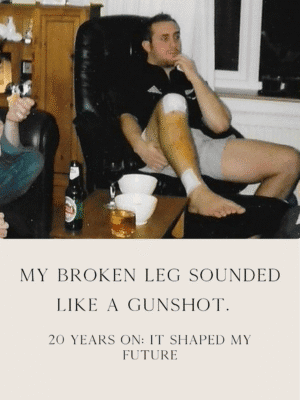
Broken Leg
My Broken leg Sounded Like a gunshot! 20 years on; it shaped my future

My Broken Leg led me to what I do today. Breaking my leg sounded like a gun going off — and recovery was nowhere near as simple as I thought it would be, I thought I would make it to a party that night!

It was really Frustrating, Boring a lot of the time and I didn’t know if I would ever play rugby again. But I did. Now I help people like me recover from injury, I’ve got experience of that. The work I’ve done and support IU’ve had, puts me in a great place to help others.

Read More »

Frequently Asked Questions - FAQs

CUPPING

Most people find it comfortable, and many find it relaxing. The suction creates a pulling sensation that can feel intense in areas of significant tension, but it shouldn’t be painful. If anything feels too strong, I adjust straight away.

Usually 3 to 5 days, sometimes up to three weeks depending on how much tension was in the area. They are not sore to touch.

The marks cupping leaves aren’t bruises — they’re a histamine response caused by increased blood flow, not tissue damage. That said, if you have a blood clotting condition or take blood thinners, mention it before booking so we can discuss whether it’s appropriate for you.

Very well. I’ll usually do KCR first to balance the whole body, then use cupping on specific areas still holding tension. The combination is often more effective than either treatment alone.

Depends how long the issue has been there and how your body responds. Some clients feel significant relief after one session. Others come regularly as part of how they manage their recovery — it becomes part of the toolkit.

possible in exceptional circumstances.

 Comfortable clothing you’re happy to partially remove. I work directly on the skin, so the area being treated needs to be accessible.

Yes — up to 24 hours before via the link in your confirmation email. Within 24 hours, rearrangements are only possible in exceptional circumstances.