What to do and what to avoid in your yoga practice if you have FAI, Hip Impingement labral tears, femoroacetabular impingement.
Hip pain is a common complaint, especially among women and can be caused by a variety of injuries or conditions. Some common causes include
- Bursitis: Inflammation of the bursa, which is a fluid-filled sac that helps cushion the joint.
- Osteoarthritis: A degenerative joint disease that can cause pain, stiffness, and limited range of motion in the hip.
- Labral tear: A tear in the cartilage that lines the hip joint, which can cause pain and instability.
- Hip impingement: When there is abnormal contact between the hip joint bones, which can cause pain and limited range of motion.
- Fractures: A break in the bone, which can occur due to trauma or underlying conditions like osteoporosis.
- Other hip pain which is undiagnosed could be strains, sprains, lower back, digestive or hormonal related.
In this article I’ll be covering FAI Femoroacetabular Impingement (FAI) and Labral tears
What is FAI or labral tear?
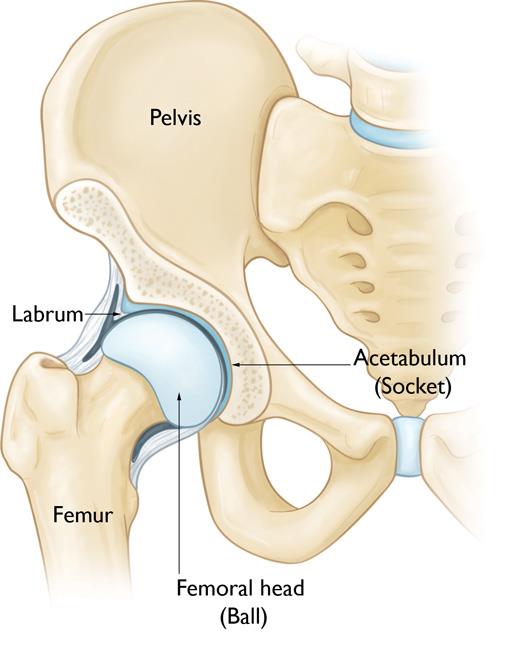
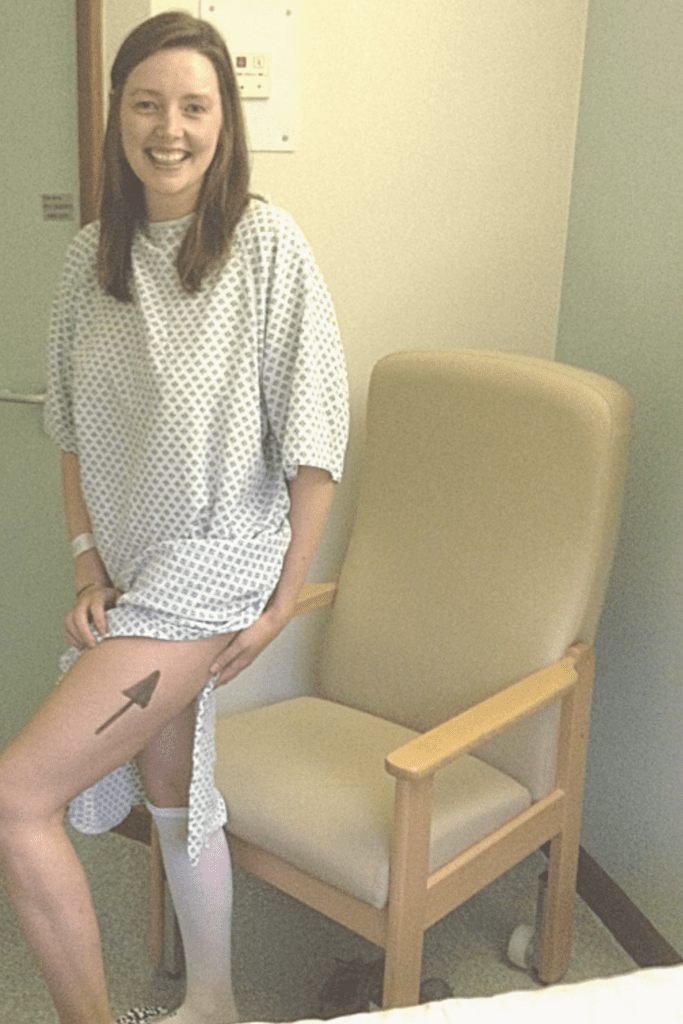
Almost 10 years ago I has surgery for Femoroacetabular Impingement (FAI). FAI is a condition where the bones of the hip joint are abnormally shaped. The ball and socket joint of the hip don’t fit together normally and therefore pinch on the cartilage (labrum). The hip is a ball and socket joint, the ball (femoral head) and socket (acetabulum) create friction and damage the cartilage.
The hip labrum and acetabulum are two important structures in the hip joint.
- The acetabulum is the cup-shaped socket in the pelvis that the head of the femur (thigh bone) articulates with to form the hip joint. It is made up of the ilium, ischium, and pubis bones of the pelvis.
- The hip labrum is a ring of fibrocartilage that lines the rim of the acetabulum. It functions to deepen the socket of the hip joint and provide stability to the joint. The labrum can become injured or torn due to trauma or repetitive stress on the hip joint.
The acetabulum and hip labrum are important structures in the hip joint that work together to provide stability and movement.
Image Source: https://orthoinfo.aaos.org/en/diseases–conditions/femoroacetabular-impingement/
FAI is common in athletes and people who are active. However, someone who is not so active can also have FAI, it just may take a bit longer for them to experience any of the symptoms.
Symptoms of FAI
The symptoms of FAI or labral tear can cause a variety of symptoms, including:
- Pain in the hip or groin: Hip labral tears or FAI often cause pain in the hip joint or groin area, which can be sharp, dull, or aching.
- The pain may worsen with activity, such as walking, running, or pivoting.
- Clicking or popping sensation: You may experience a clicking, popping, or catching sensation in the hip joint. This can occur when you move your hip joint, such as getting up from a chair or walking up stairs.
- Stiffness or limited range of motion: You may feel stiffness in the hip joint or have limited range of motion. This can make it difficult to perform certain activities, such as bending down, lifting objects, or putting on shoes.
- Weakness or instability: A hip labral tear can cause weakness or instability in the hip joint, which can affect your balance and mobility.
- Pain with prolonged sitting: Sitting for extended periods of time may exacerbate the pain in your hip joint, as it puts pressure on the joint and can cause discomfort.
- A pinching feeling in the hip: This can be due to the bones in the hip joint not fitting together properly, leading to increased friction and pressure.
If you experience any of these symptoms, it is important to seek medical attention to determine the cause and appropriate treatment for your hip pain.
What causes FAI?
Hip injuries can be caused by various factors such as trauma, overuse, and degenerative conditions, sometimes it’s just the way you are born. I was often asked if I has clicky hip when I was a baby, which I didn’t and my surgeon explained to me that the body adapts to the dresses and strains it put through, and bone can adapt and change.
How is FAI diagnosed?
There are various examinations and imaging that can diagnose FAI or labral tear and this can take time depending on the symptoms and healthcare provider.
- Examination, FAI is often diagnosed by hip impingement test – internal rotation with the hip at 90° of flexion is typically markedly limited. Flexion and abduction are also often limited, although this is a less consistent feature.
- The hip impingement test is performed with the patient lying on their back with hip and knee flexed to 90°, the hip is slowly rotated from external rotation to internal rotation while moving from abduction to adduction.
- A positive test shows a sudden, sharp pain in the hip.
- You may be referred for an X-ray. An x-ray can detect or rule out fractures, hip joint dislocation, arthritis, bone infections, bone cysts and hip impingement.
- MRI – An MRI scan can provide detailed 3-D imaging of the hip and joint. An MRI will show bones, joints, and supporting soft tissues and you may have a contrast dye injection which will also show blood vessels, organs, and specific soft tissues show up more clearly to help determine a diagnosis.
Treatment for FAI
Treatment for a FAI or hip labral tear can include rest, physiotherapy, and sometimes surgery. Surgery is a last resort and there are things that you can do to avoid surgery and provide you with a better quality of life.
Working with a physiotherapist or yoga therapist while undergoing diagnosis can help to strengthen and stabilise the muscles and support around the joint which can ease pain and prepare you for surgery if this is required.
While I was undergoing diagnosis I read a lot of forums on people saying yoga was bad for your hips. My belief is anything could be bad for your hips depending on what you do. In the yoga world there is a lot of hip opening and emphasis on your body making a certain shape. Which is why it’s vital you find the right teacher to support you and listen to your body.
Yoga therapy can be a helpful complementary practice to traditional medical treatment for hip injuries. There are many ways yoga therapy can help:
- Increase mobility: Certain yoga postures can help increase the mobility of the hip joint, which can aid in recovery and prevent further injury.
- Strengthen muscles: Yoga postures that target the hip muscles can help strengthen them, which can improve stability and support the injured area.
- Improve balance: Yoga poses that challenge balance can help improve stability and prevent falls, which can be especially helpful for those with hip injuries.
- Reduce pain and inflammation: Certain yoga postures and breathing techniques can help reduce pain and inflammation in the hip joint.
- Promote relaxation: Stress and tension can exacerbate hip pain and injury. Yoga therapy can help promote relaxation and reduce stress levels.
It’s important to work with a qualified yoga therapist or instructor who can guide you through a practice that is safe and appropriate for your specific hip injury. They can also help modify postures to accommodate any limitations or pain you may be experiencing.
Do I need to have surgery?
I’m a yoga therapist and Ayurveda practitioner, I don’t diagnose and can advise you if you would need surgery or not. It’s important to contact your GP and go through the referral process to see a consultant. (if you are in the UK). What I can say from my own experience is my surgeon was reluctant to operate and wanted to explore all other options before I committed to surgery. Knowing what I know nowI’mconfident I could have reduced pain, improved the strength, and stability of the hip joint and possibly avoid surgery. But at the time I had exhausted every other option. Surgery was a last resort for me, I don’t regret having the surgery, it has made my quality of life much better.
Unfortunately at the time of writing this article (March 2023) the NHS in the UK is under a huge amount of pressure post-Covid with waiting lists mounting. It is unlikely you would get a diagnosis or surgery any time soon.
The recovery was much longer than expected however everyone’s experience will be different. Again I’m glad I’ve gone through the whole experience, it’s made me stronger, made me listen to my body and feel extremely grateful for my life and ability to move.
What the research says
Recent research studies suggest that the hip labrum can heal, but the healing process may be slow and variable depending on the severity of the tear and the individual’s age and overall health. When the labrum is torn, the body’s natural healing processes can help repair the damage. However, the blood supply to the labrum is limited, which can make the healing process slower than in other parts of the body.
Studies have shown that small tears in the labrum may heal on their own with rest and physical therapy, while larger tears may require surgery to repair or remove the damaged tissue. In some cases, surgery may be necessary to remove a severely damaged labrum and replace it with an artificial joint.
If you have a labral tear, it is important to avoid yoga poses that place excessive stress on the hip joint or require extreme range of motion in the hip. Here are some yoga poses that you may want to avoid:
- Deep hip flexion: Avoid poses that require deep hip flexion, such as deep squats like malasana. These poses place a lot of stress on the hip joint and can exacerbate pain and discomfort.
- Extreme external rotation: Avoid poses that require extreme external rotation of the hip joint, such as Lotus pose or Cow Face pose. These poses can put strain on the hip joint and increase the risk of further injury.
- Hip openers: While some hip-opening poses, such as Pigeon pose or Lizard pose, can be helpful for hip mobility, they can also aggravate a labral tear. It is important to approach these poses with caution and avoid any deep or intense stretches.
- Twisting poses: Twisting poses, such as Marichyasana or Bharadvajasana, can put pressure on the hip joint and exacerbate pain and discomfort.
- High-impact poses: Avoid high-impact poses, such as jumping, or any poses that require sudden or forceful movements.
Remember, it is always important to listen to your body and work with a healthcare professional, GP, physiotherapist or consultant to get the correct diagnosis if you think you have FAI or labral tear.
It’s important to work with an experienced yoga therapist who can provide personalised modifications and guidance for your practice. Additionally, it is important to listen to your body and not push yourself beyond your limits to avoid exacerbating any symptoms. If you experience any pain or discomfort during a yoga practice, it is important to modify the pose or stop practicing altogether and consult with your healthcare professional.
OUR HIP & LOWER BACK PROGRAM IS OPEN
Prefer working 1:1? Have a look at my 90 day plan and book a free call.